

Introduction
Organic waste is one of the biggest missed opportunities in waste management. Food scraps, yard trimmings, and other biodegradable material are often sent to landfills, where they break down without oxygen and release methane. Methane is a powerful greenhouse gas, so even small changes in how organics are managed can have a big climate impact. That is where compost machines come in.
Compost machines make it easier for homes, businesses, institutions, and cities to process organic waste on-site or near the source. Instead of sending scraps long distances to a landfill, the waste is turned into compost that can be used to improve soil. That simple shift reduces emissions in several ways at once.
The biggest benefit : avoiding landfill methane
The most important climate benefit of compost machines is that they keep organic waste out of landfills. In a landfill, food waste and other organics decompose in oxygen-poor conditions. That process produces methane, which is far more harmful to the climate than carbon dioxide over the short term.
A compost machine changes that process. It keeps decomposition aerobic, meaning the waste breaks down with oxygen. Instead of producing large amounts of methane, the material is converted into compost through a controlled process. That makes composting one of the most practical ways to reduce emissions from waste.
For cities and businesses trying to cut their climate footprint quickly, this matters because organic waste is a major source of avoidable emissions. Diverting it from landfill is one of the fastest actions available.
Lower transport emissions too
Compost machines also reduce the emissions created by hauling waste. When food scraps are collected, loaded, and trucked to distant disposal sites, every step adds fuel use and carbon emissions. That becomes even more significant in dense urban areas, where waste has to be moved frequently.
On-site or localized composting reduces those trips. A restaurant, school, apartment complex, market, or office building can process part of its own organic waste instead of sending everything out. Even when the compost is later transported, the total volume is much smaller because the waste has already been reduced and stabilized.
This is one reason compost machines work so well in places with high waste generation and limited space. They reduce the logistics burden while also lowering emissions from collection and transport.
Compost supports healthier soil
Another climate benefit comes after the waste has been processed. Finished compost is not just a disposal output; it is a soil amendment that can improve soil structure, water retention, and nutrient availability.
Healthier soil stores more organic matter and supports stronger plant growth. That means less need for synthetic fertilizers, which are energy-intensive to produce and transport. It can also reduce irrigation demand because compost helps soil retain moisture for longer.
In cities, this is especially useful for parks, roadside planting, gardens, landscaped campuses, and green public spaces. The compost created from local waste can be returned to the same community that produced it, creating a closed loop instead of a one-way waste stream.
Why compost machines are practical for cities and businesses
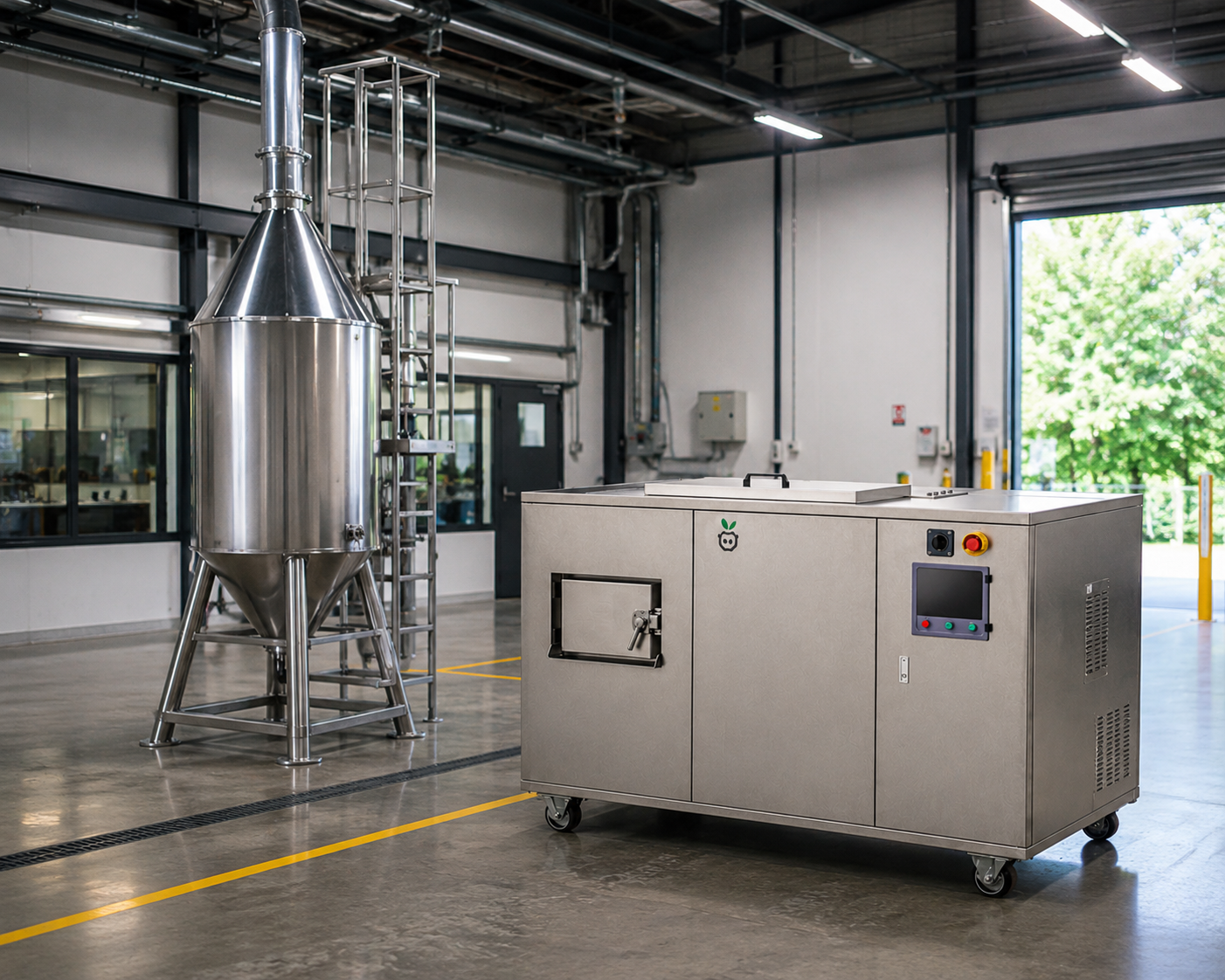
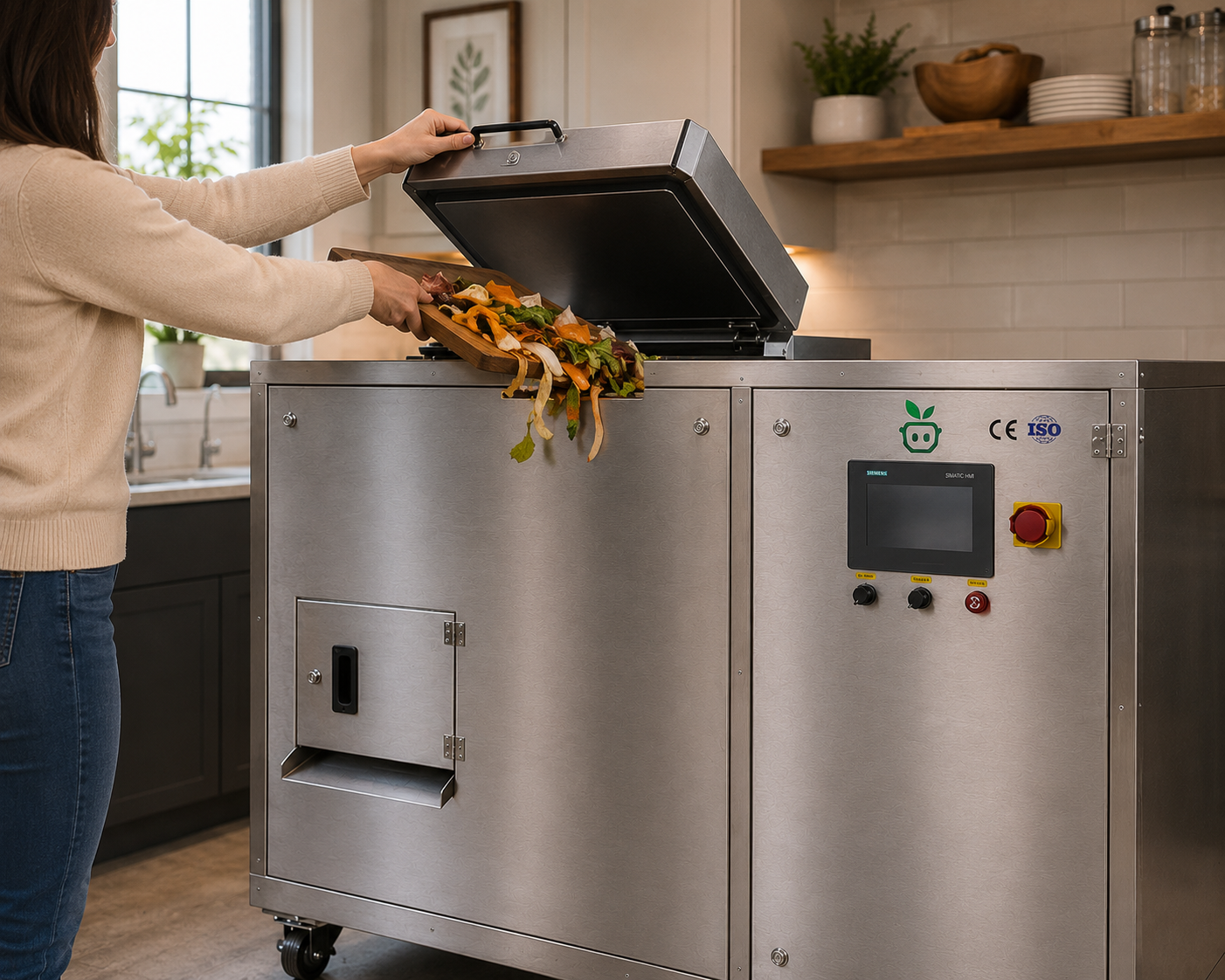
Composting on a small scale used to mean messy bins, odors, and a lot of labor. Compost machines solve many of those problems. They are designed to be compact, enclosed, and easier to manage than open compost piles.
That makes them useful in places that generate steady organic waste but do not have room for large waste yards or frequent hauling. Examples include food courts, hotels, hospitals, schools, malls, housing communities, and industrial campuses.
By making composting more practical, machines help more organizations participate in emissions reduction. They also make it easier to separate waste at the source, which improves the quality of the final compost and reduces contamination.
The climate value is bigger than one building
A single compost machine may seem small, but the climate effect grows when many sites adopt the same approach. If one hotel, one campus, or one apartment block diverts organics from landfill, that is useful. If entire neighborhoods or commercial districts, do it, the impact is much larger.
This is where decentralized waste management becomes important. Instead of relying only on large, distant facilities, cities can build a network of local composting sites. That creates a more resilient system, lowers transport demand, and spreads emissions reductions across many locations.
It also helps communities see the value of their waste more clearly. When people can connect what they throw away with compost used in gardens or landscaping, participation usually improves.
What to keep in mind
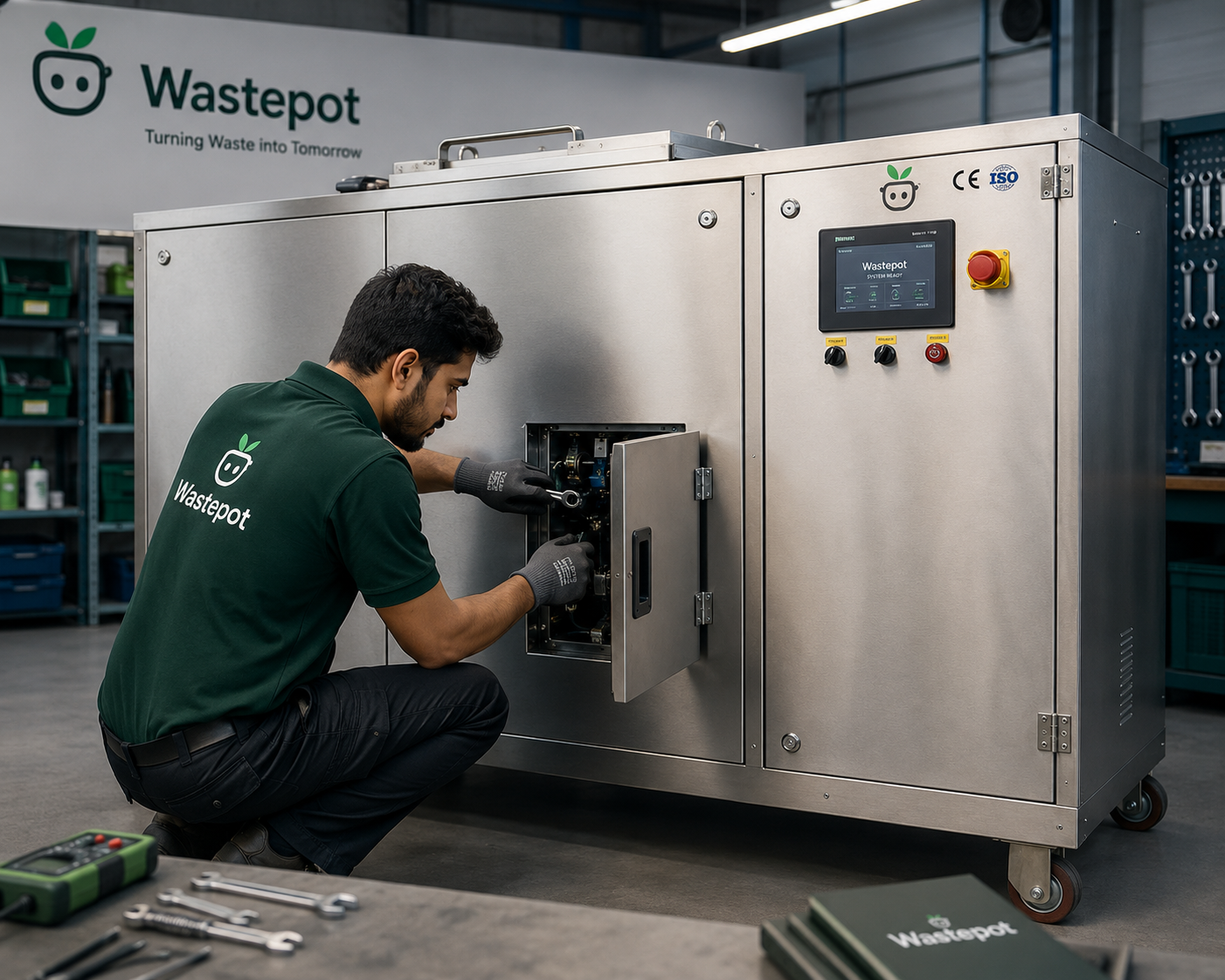
Compost machines are not a magic solution on their own. They work best when the feedstock is properly separated, the machine is well maintained, and the output compost is actually used. If the waste stream is heavily contaminated with plastics or other non-compostable items, the climate and quality benefits are reduced.
That is why education, signage, and basic operating discipline matter. Good waste sorting at the source leads to better compost, fewer processing problems, and stronger emissions benefits.
Wastepot’s role
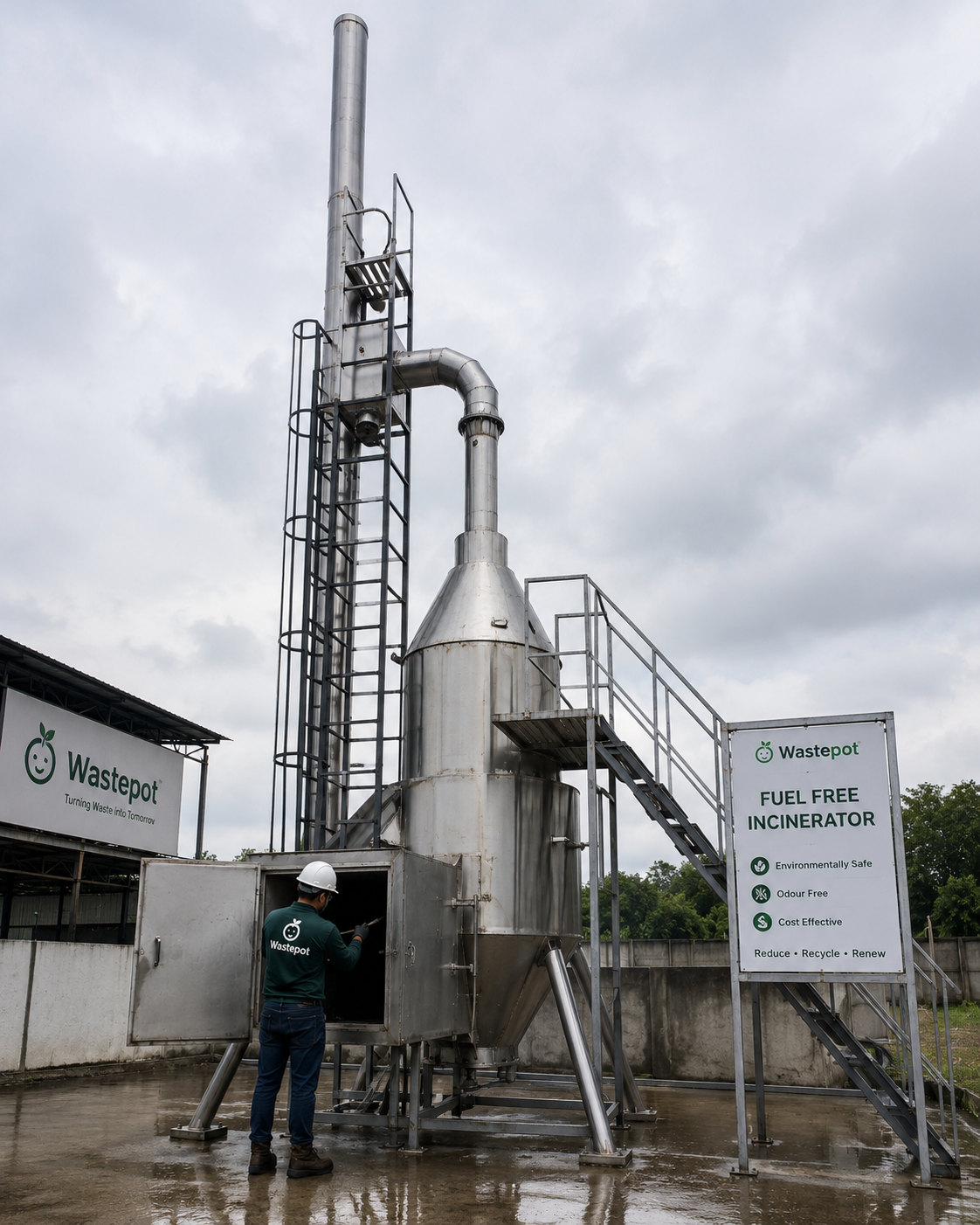
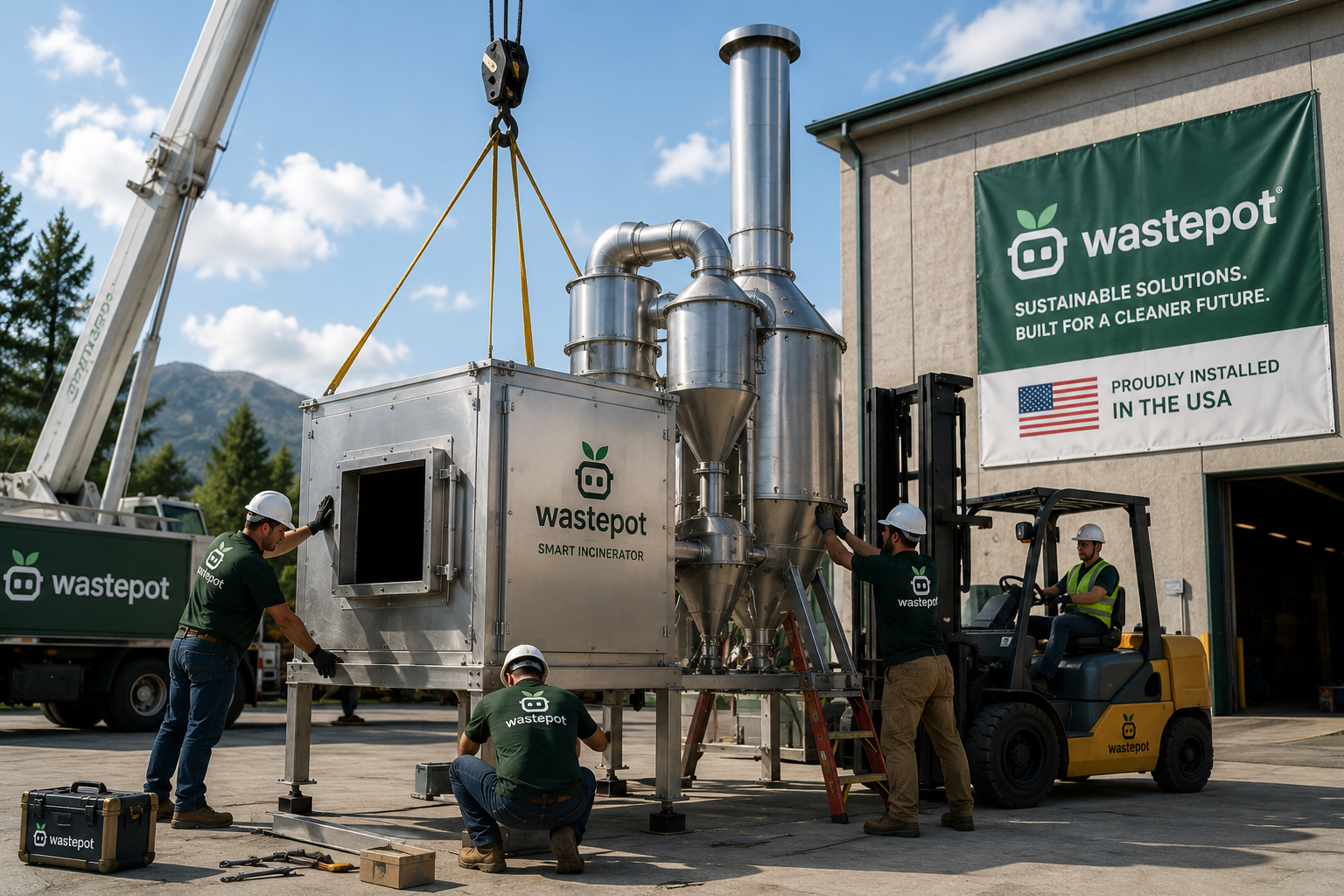
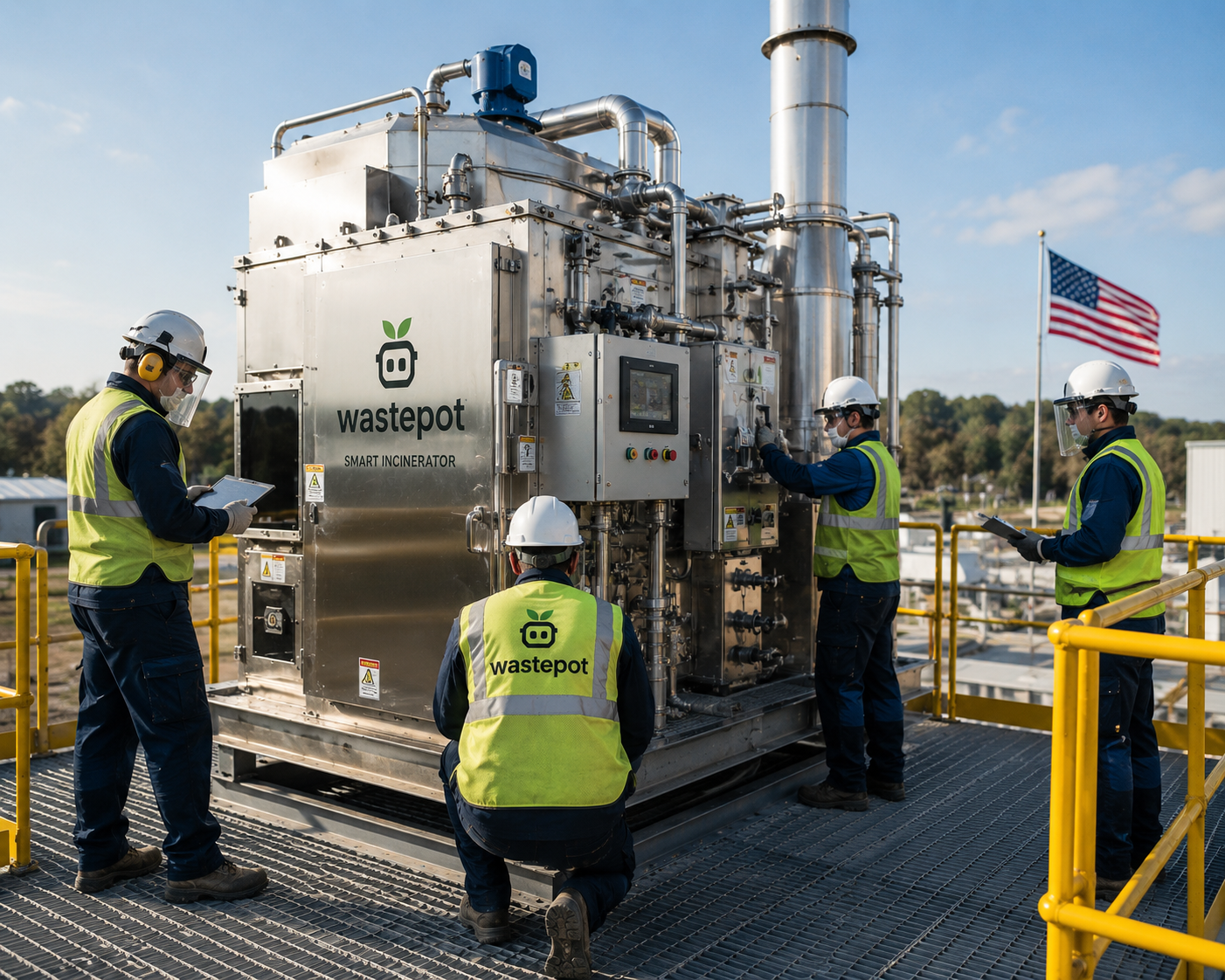
Wastepot fits into this climate solution by making composting practical in real-world settings. Its on-site and neighborhood composting systems help divert organic waste before it reaches landfill, which cuts methane emissions and reduces hauling requirements. Because the systems are managed and right-sized, they are easier for businesses, housing communities, and institutions to use consistently.
Wastepot also helps turn the finished compost into something useful for landscaping, soil improvement, and local green spaces. In that way, the waste stream becomes part of a local circular system rather than a disposal burden. For organizations trying to lower emissions while improving day-to-day operations, that makes compost machines a strong and realistic step forward.
Compost machines reduce greenhouse gas emissions in three main ways: they keep organics out of landfills, cut waste transport emissions, and produce compost that supports healthier soils and lower fertilizer demand. They are practical, scalable, and especially valuable in cities and facilities that generate a lot of food and green waste.
As climate action becomes more urgent, compost machines offer something valuable: a solution that is simple to understand, easy to apply, and useful in everyday operations. They do not replace every other waste strategy, but they do address one of the fastest and most avoidable sources of emissions.