

Introduction
Decentralized waste management is the shift away from a single “collect everything, haul everything” model toward a network of smaller systems that process waste closer to its source. In practice, that can mean on-site composting at a campus or hotel, neighborhood organics hubs, local material recovery points, or small anaerobic digestion units serving a district. EPA notes that municipalities may either keep their own composting capacity or send collected materials to centralized facilities, and it also describes decentralized models as having multiple smaller composting or AD facilities that add flexibility if one part of the system fails.
That idea matters because a waste system is not only a disposal system. It is also a logistics system, a climate system, and a local infrastructure system. The U.S. EPA’s National Strategy for Reducing Food Loss and Waste and Recycling Organics treats organics as a major opportunity for circularity, climate action, cost savings, and healthier communities. The strategy also states that food and other organic materials can be recycled into soil amendments, heat, or biogas, rather than being landfilled or incinerated.
Why decentralization is gaining attention
One major reason is methane. EPA says more than one-third of the U.S. municipal waste stream is organic waste, and food is the single most common material found in landfills. The agency’s draft national strategy also states that a large share of methane from landfilled food waste is not captured and escapes to the atmosphere. That makes organics one of the most important waste streams to manage differently if cities want faster climate gains.
Another reason is local value. Composting and other organics recycling methods return nutrients to soils, improving soil health and resiliency in urban and rural settings and reducing reliance on synthetic fertilizers. EPA’s composting guidance also notes that compost made locally can be used in municipal buildings, schools, parks, roadways, and tree beds, which keeps benefits inside the community rather than exporting everything to a distant landfill.
What decentralized systems look like
Decentralized waste management is not one technology. It is a design approach. For organics, that usually includes three layers.
First, there is source separation. Food scraps, yard trimmings, and other organic materials are kept apart from trash early, before contamination makes them harder to recover. EPA’s organics strategy emphasizes collecting and processing food loss and waste along the whole supply chain, from households to businesses.
Second, there is local processing. That might be a small composter serving a building, a neighborhood compost hub, or a site that uses anaerobic digestion for wetter or more consistent organics streams. EPA specifically describes organics recycling as turning food and other organic materials into new products such as soil amendments, and says some systems also generate heat or biogas that can be used for electricity or fuel.
Third, there is local end use. EPA says compost can be used by residents and in city assets like parks and schools. That is important because a decentralized system works best when the outputs are used nearby, which reduces hauling and helps people see the connection between waste and value.
Why it works well in cities and institutions
Decentralized systems can be especially useful in dense urban areas, apartment complexes, campuses, hotels, and commercial districts. These places generate a lot of organic waste in a small area, so hauling it long distances is expensive and inefficient. EPA’s composting guidance recognizes that local or centralized composting can both work, but local capacity helps municipalities connect composting with other waste programs and reuse the material in civic spaces.
Decentralization also improves resilience. EPA’s best-practices material on solid waste management notes that a decentralized model with multiple smaller composting or AD facilities adds flexibility if one part of the system breaks down. That matters in real life because a single centralized site can become a bottleneck, while several smaller sites can keep operating if one is offline.
The practical challenges
Decentralized waste management is not automatic. It works best when contamination is controlled, staffing is trained, and the system is sized for the actual waste stream. EPA’s composting materials point users toward composting program setup, compost use workshops, and contamination-focused reports on plastic contamination and pre-processing technologies, which shows how much operational discipline this model requires.
Another challenge is coordination. Smaller systems need good signage, collection schedules, maintenance routines, and clear rules about what can go into the stream. If those pieces are weak, contamination rises and the benefits fall. That is why decentralized systems are often strongest when paired with managed service rather than left entirely to chance.
The bigger picture
Decentralized waste management is part of a larger shift toward circular systems. The federal strategy on food loss and organics sets out goals to reduce food waste, increase organics recycling, reduce greenhouse gases, save money, and build cleaner communities. In other words, the idea is not just to move waste around more efficiently. It is to turn a disposal problem into a resource system that supports soil, energy, and local resilience.
How Wastepot fits
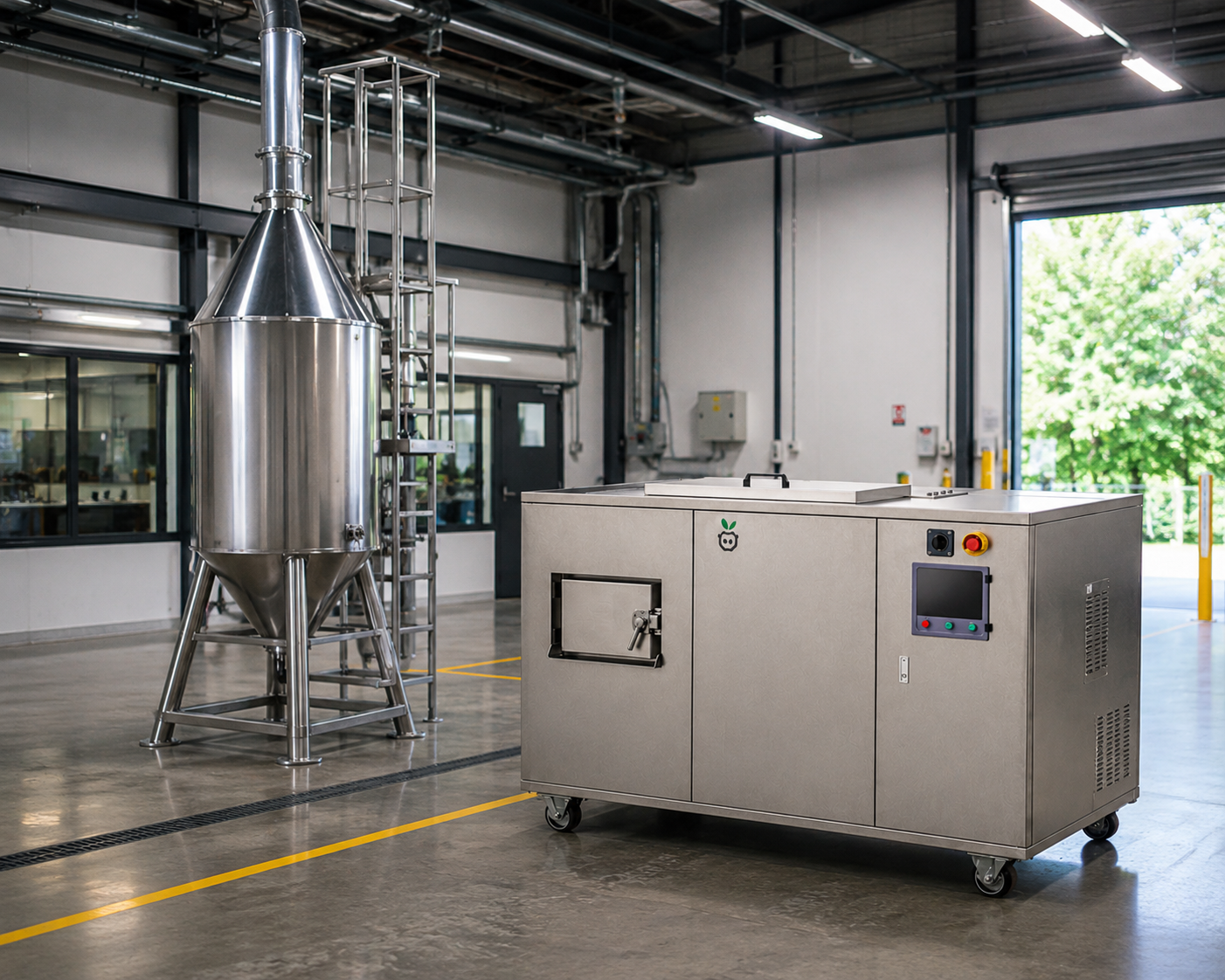
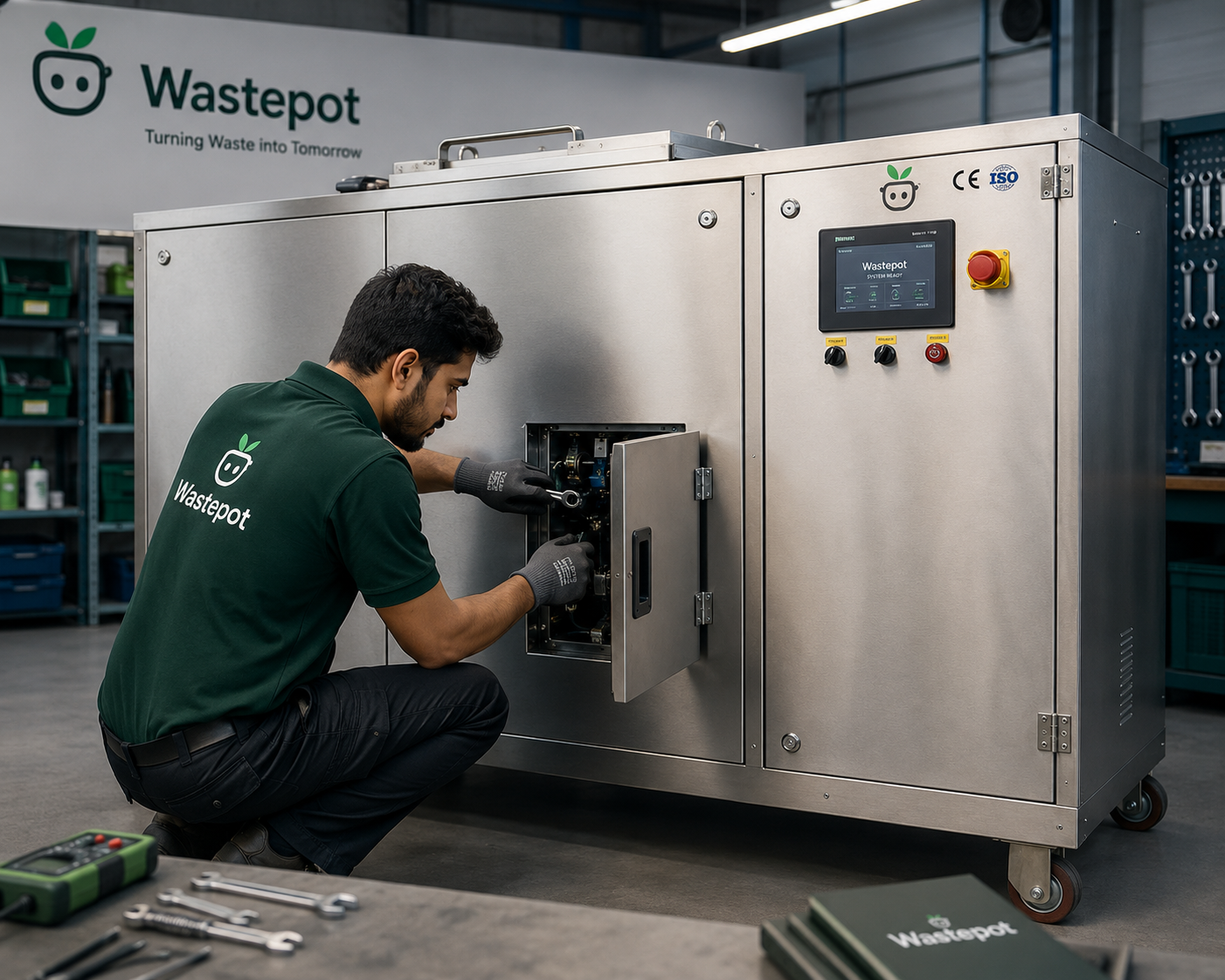
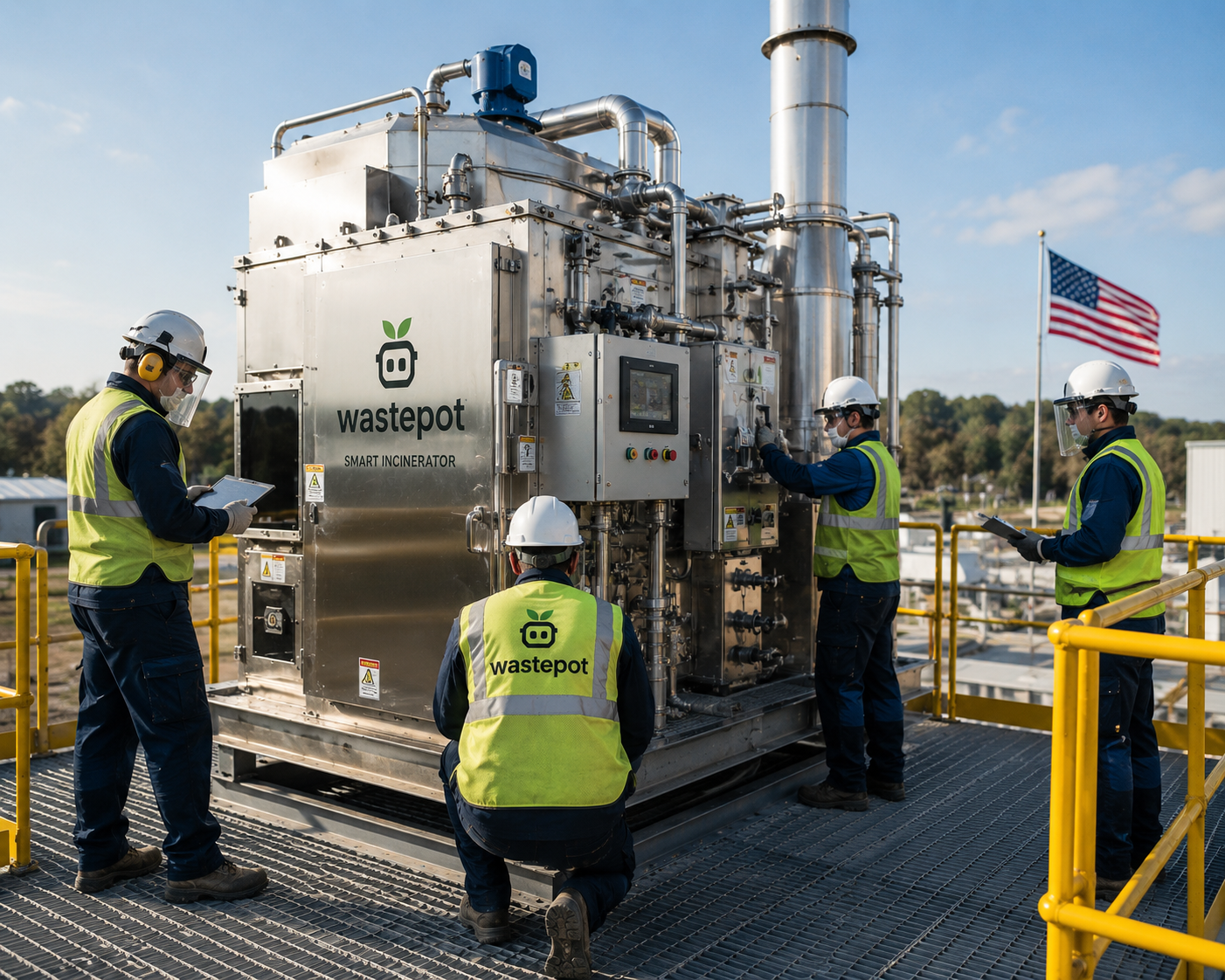
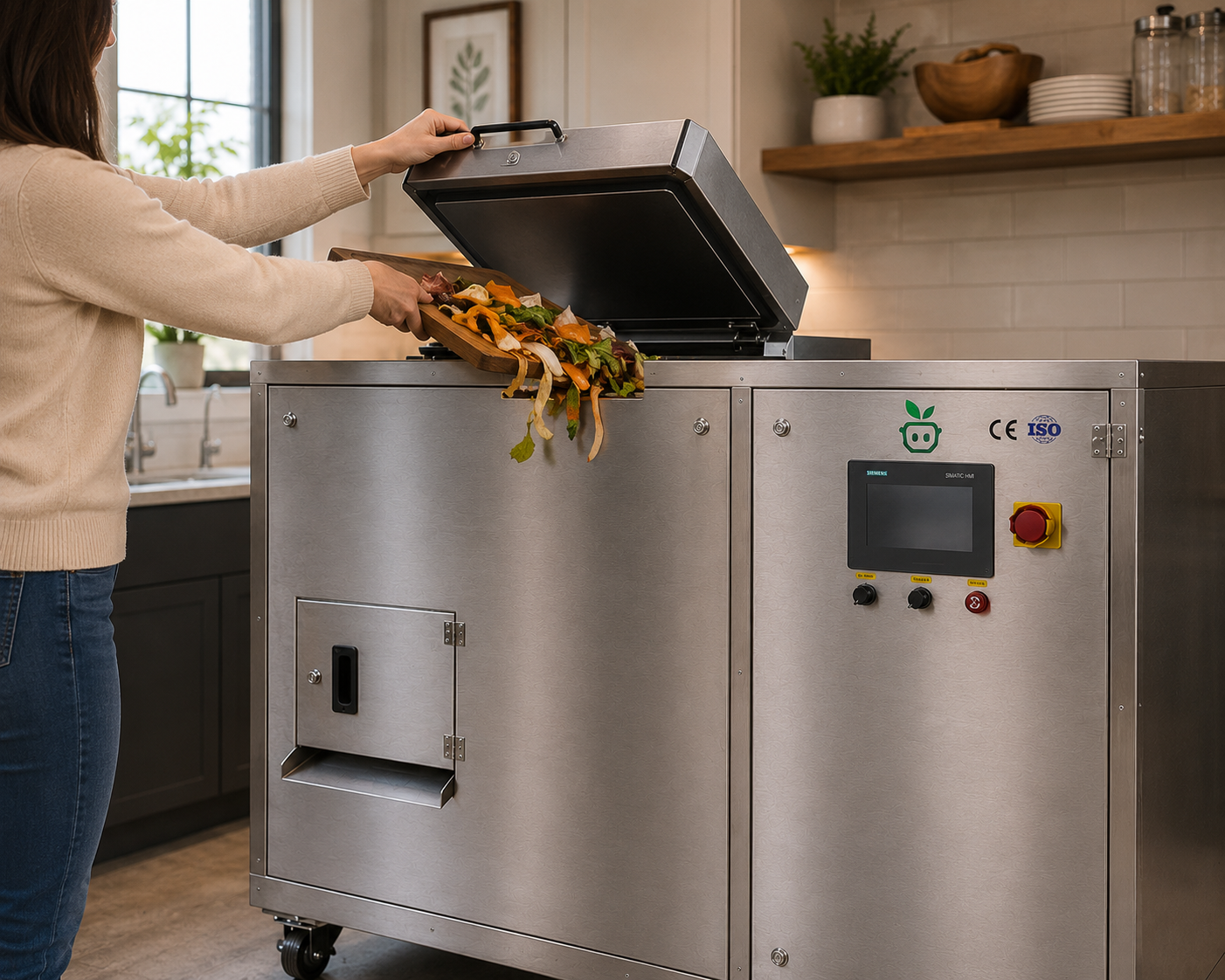
Wastepot fits naturally into this decentralized model. Its composting systems are well suited to the local-processing layer, especially for campuses, apartments, hotels, food courts, markets, and other places that generate steady organics close to where they are used. By keeping food and green waste out of landfill, Wastepot helps reduce methane risk and hauling demand, while the resulting compost can be used in landscaping, gardens, and other local green spaces. That makes Wastepot a practical example of decentralization in action.
Conclusion
Decentralized waste management matters because it solves several problems at once. It cuts hauling, lowers methane from landfilled organics, improves resilience, and keeps compost and biogas benefits close to the community that generated the waste. EPA’s guidance shows that local composting and organics recycling are already recognized parts of modern waste strategy. The next step is not to ask whether decentralization is possible, but where it makes the most sense first.