

Introduction
Waste regulation in the United States is not one single system. It is a mix of federal standards, state programs, and local collection or disposal rules. At the center is the Resource Conservation and Recovery Act, or RCRA, which gives EPA authority over hazardous waste from “cradle to grave” and sets the framework for solid-waste management and cleanup. EPA’s hazardous-waste regulations are found mainly in 40 CFR parts 260 through 273, and the generator rules require businesses to identify, label, store, and manage hazardous waste correctly.
The federal backbone : RCRA
RCRA is the main federal law people should know when talking about U.S. waste rules. EPA says it covers the generation, transportation, treatment, storage, and disposal of hazardous waste, while also encouraging source reduction and beneficial reuse. For businesses, that means waste is not just something to throw away; it is something that must be classified and handled according to its risk and destination.
For hazardous waste generators, EPA uses a generator framework that places different requirements on different site types, depending on how much hazardous waste they produce. The key point is simple: generators must determine whether their waste is hazardous, and then follow the applicable standards for storage, tracking, and disposal. EPA continues to publish current guidance and summaries for these requirements.
Why organics are now a major policy focus
A big reason waste regulation is changing is food waste. EPA says more than one-third of the food produced in the United States is never eaten, and food waste is a major contributor to landfill methane. EPA’s 2023 food-waste methane report was the agency’s first published estimate of annual methane emissions from landfilled food waste, which shows how important organics have become in climate and waste policy.
EPA’s National Strategy for Reducing Food Loss and Waste and Recycling Organics is the clearest signal of where the federal conversation is headed. The strategy’s goals include preventing food loss and waste, increasing recycling of food and other organic materials, reducing greenhouse-gas emissions, saving money for households and businesses, and building healthier communities. EPA also says the strategy supports community-scale organics infrastructure and the use of compost made from recycled organic waste to support green infrastructure.
State rules matter too
Because solid waste is heavily shaped by state and local programs, businesses cannot rely on federal rules alone. California’s SB 1383 is one of the most important examples. CalRecycle says jurisdictions must provide organic waste collection services to residents and businesses, with limited exceptions, and that the program covers organic waste collection for single-family and multifamily residences as well as businesses. California also explains that organics recovery can include composting and anaerobic digestion.
That matters because it shows the direction many other jurisdictions are moving in. Even where the details differ, the pattern is the same: more collection of organics, more diversion from landfill, and more pressure on businesses to separate waste streams correctly.
What businesses need to watch
For businesses, the practical issues are usually not abstract legal debates. They are things like whether waste is hazardous, whether organics need to be separated, whether a facility is in a state with mandatory collection rules, and whether hauling or disposal contracts match the law. EPA’s materials-management guidance and organics strategy both point toward prevention, separation, and recycling as the preferred path when possible.
In simple terms, the main compliance questions are: What are we generating? Is any of it hazardous? Can food and other organics be separated? Does our location have mandatory organics collection or disposal restrictions? Those questions determine the waste plan a business actually needs. EPA’s RCRA and hazardous-waste generator resources exist to help answer the first two, while state organic-waste rules answer the last two.
Why this matters for climate and operations
The climate case is straightforward. EPA’s organics strategy and methane report both show that landfilled food waste is a major source of avoidable emissions; while composting and organics recycling can reduce greenhouse gases and create useful outputs like compost and biogas. EPA also notes that the Wasted Food Scale is based on its 2023 analysis of environmental impacts from different food-waste pathways.
Operationally, better waste separation can reduce hauling, simplify disposal, and create more stable planning for facilities. That is one reason companies are increasingly looking at on-site organics solutions rather than relying only on central landfill disposal. The direction of the rules makes that shift more relevant every year.
How Wastepot fits
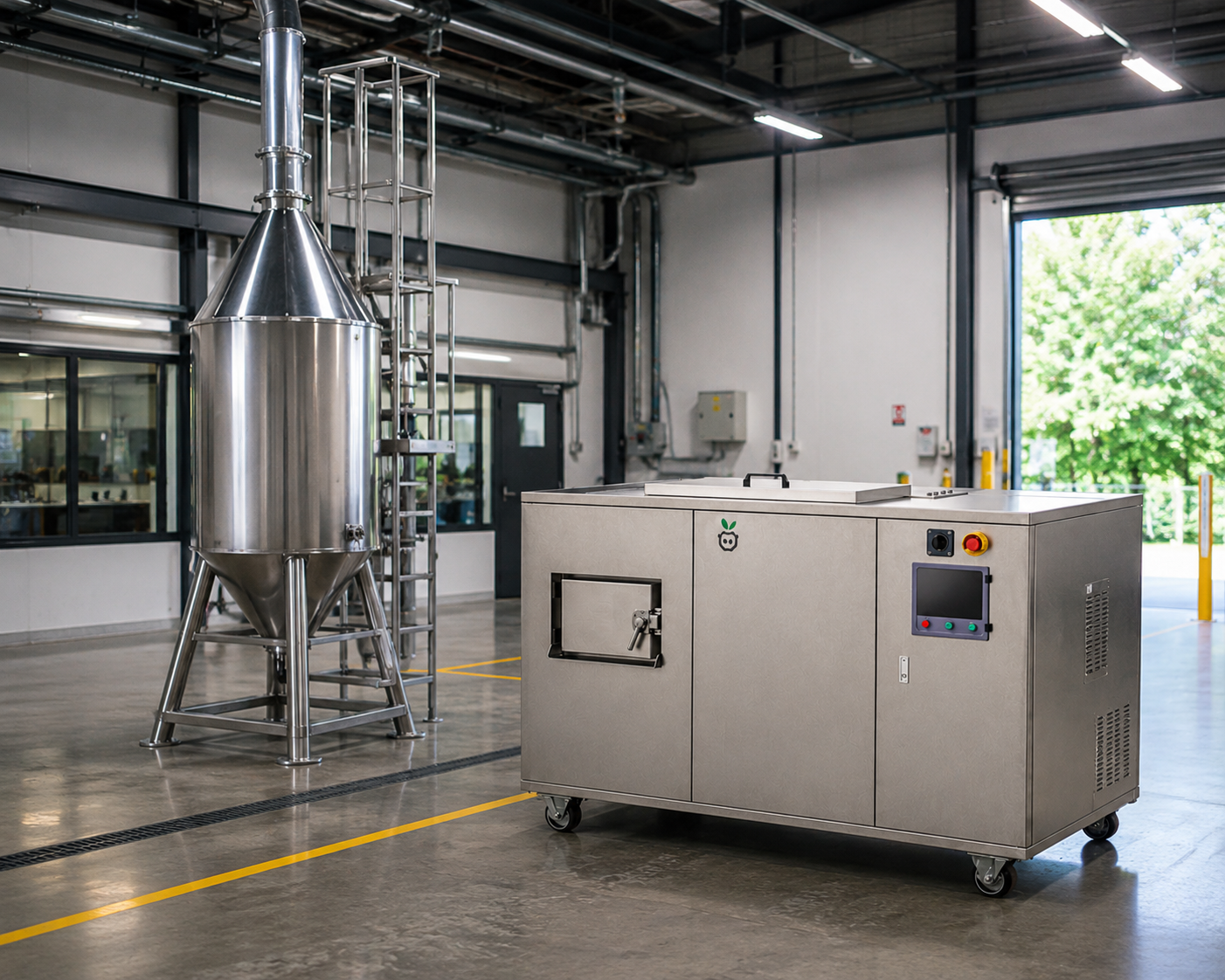
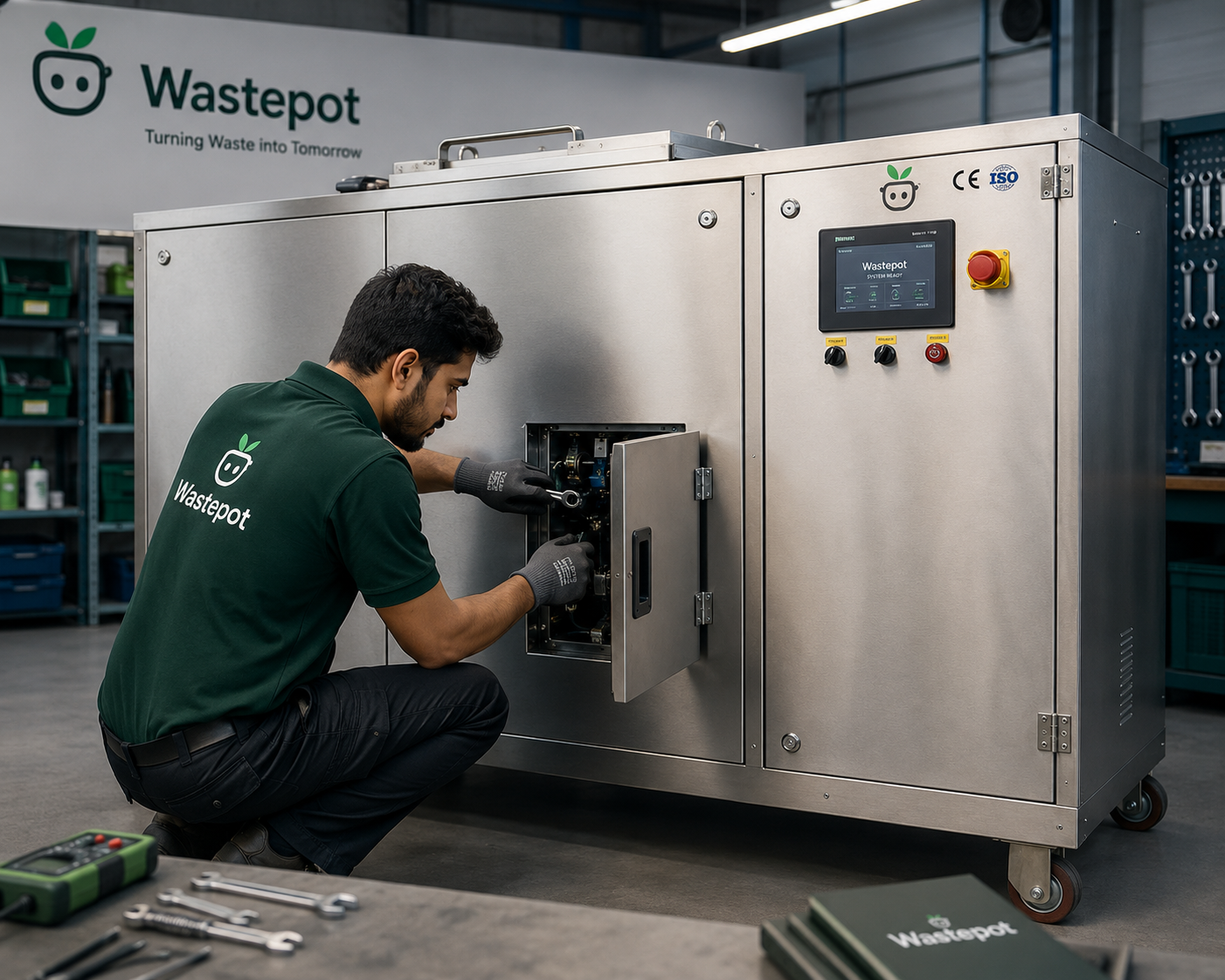
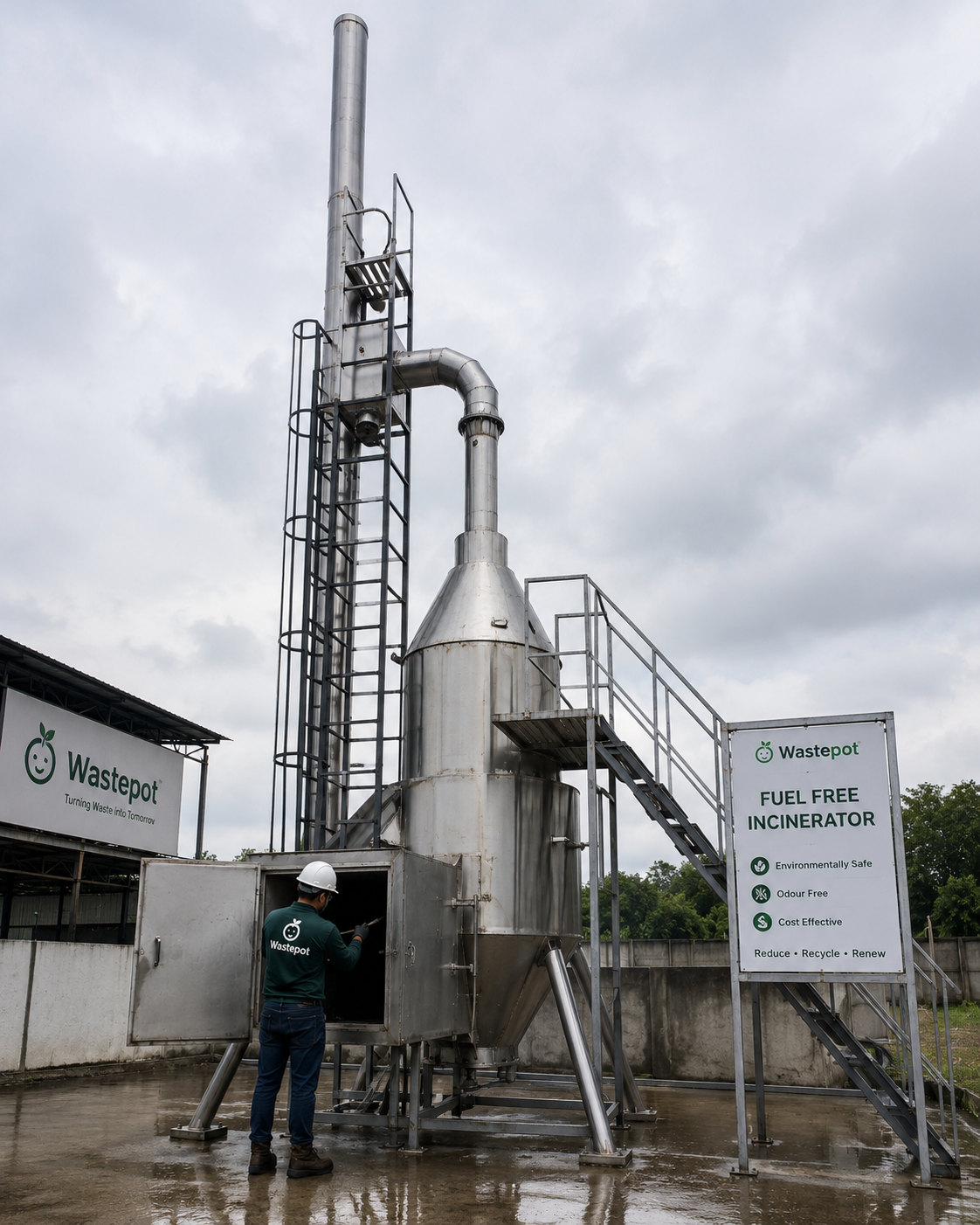
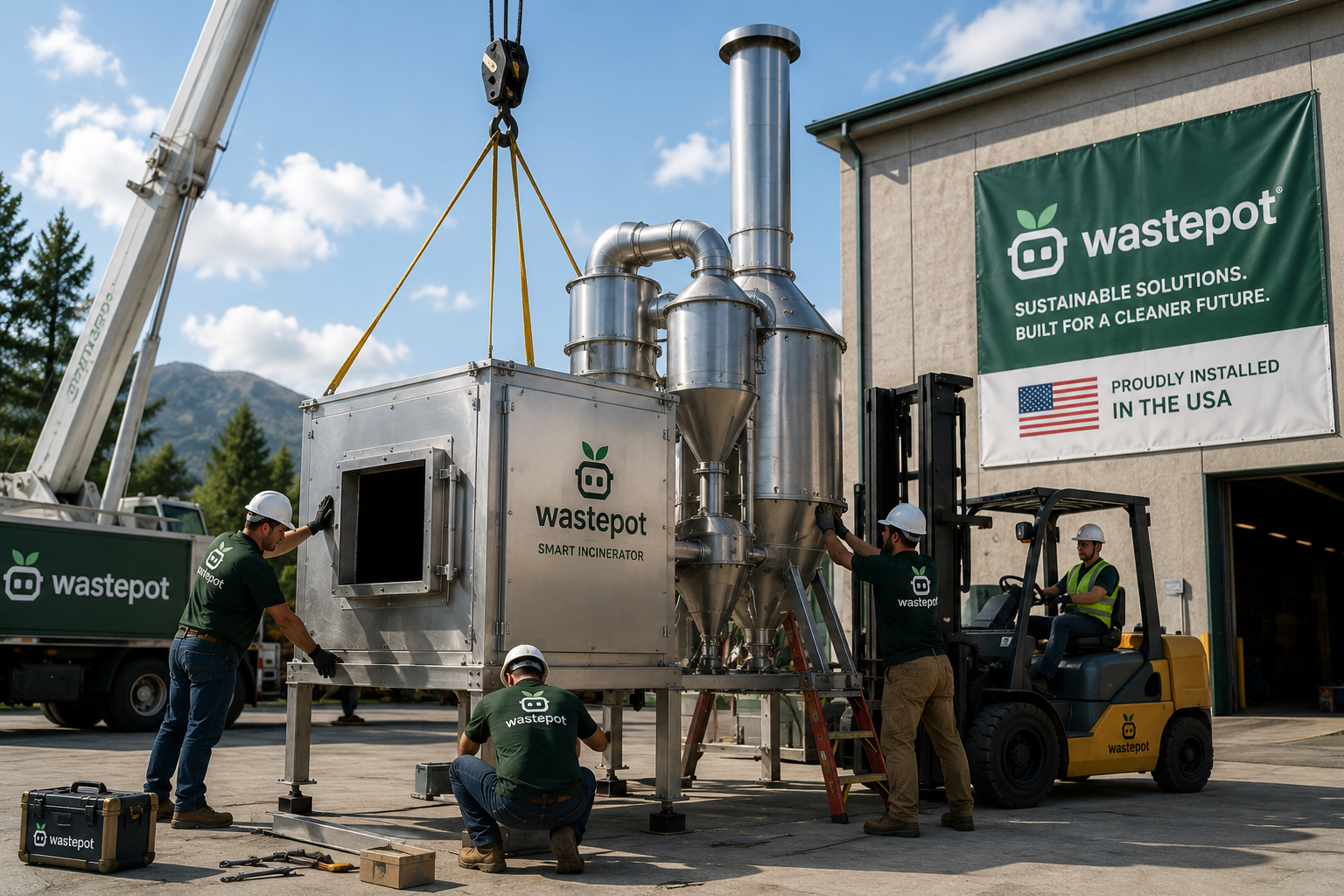
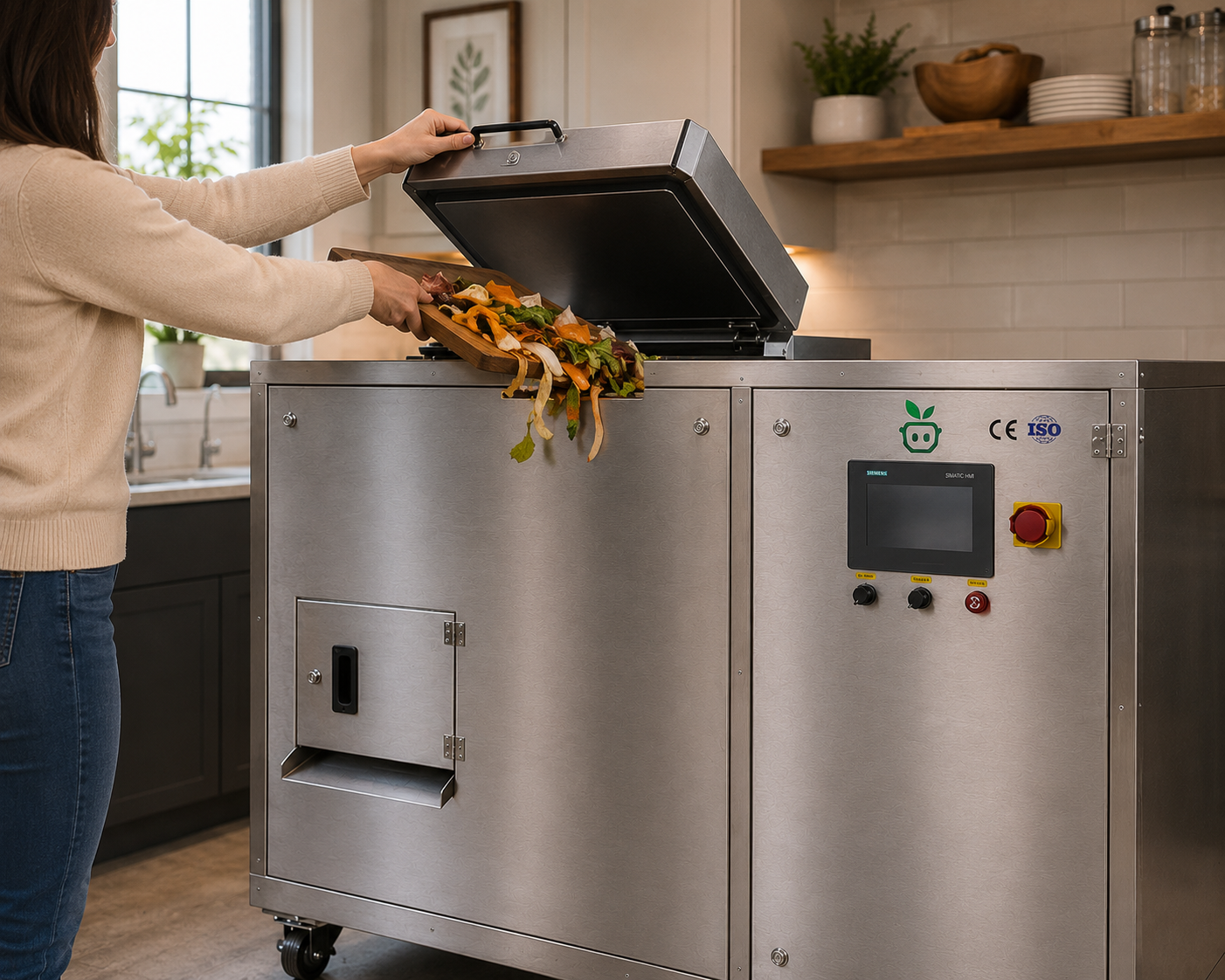
Wastepot fits into this landscape by helping businesses and institutions manage organics before they become a compliance and hauling problem. On-site composting can support the organics-diversion direction reflected in EPA’s national strategy and in state programs like California’s SB 1383. For sites that generate food scraps, landscaping waste, or other compostable materials, Wastepot’s model helps reduce landfill reliance and makes source separation easier to maintain.
In practical terms, that means Wastepot can help a site turn a regulatory obligation into a working system: separate the organics, process them locally, and keep the remaining waste stream simpler and more manageable. For businesses trying to stay compliant while also improving sustainability performance, that is often the most useful outcome.
U.S. waste regulations are becoming more focused on two things: proper hazardous-waste control under RCRA, and better diversion of organics away from landfill. Federal guidance is clear, state rules are getting stronger, and businesses that prepare early will have fewer compliance problems later. The best approach is to know your waste streams, separate organics where possible, and build systems that match both the law and day-to-day operations.