

Introduction
Fuel-free incineration is best understood as a thermal treatment system that can sustain combustion after startup by using the combustible energy in the waste stream itself. EPA describes incineration as a thermal process used for solid and liquid wastes, while waste-to-energy and combustion systems are recognized as part of the broader energy recovery toolkit for non-recyclable waste. In practical terms, the method matters because it can reduce waste volume, limit transport needs, and provide a compact option for sites that need on-site residual treatment.
How it works
At a basic level, the system is started, heated, and then fed with waste that contains enough combustible energy to keep the process going. EPA technical guidance notes that self-sustained combustion depends on heating value and operating conditions, and that waste streams with sufficient energy content can support combustion at high temperatures without continuous auxiliary fuel. That is why feedstock quality matters so much: dry, combustible material is much easier to treat than wet or highly inert waste.
Because the process is controlled, the goal is not just to “burn waste,” but to oxidize it efficiently. EPA’s incineration guidance explains that regulated incinerators are designed to achieve very high destruction efficiencies for hazardous wastes, and the agency’s citizen guide notes that ash remaining after incineration is much smaller in volume than the original waste stream. That reduction in mass and volume is a major reason the technology is used in certain waste settings.
Why it matters
The main value of fuel-free incineration is that it can handle certain residual waste streams without requiring a separate fuel supply for normal operation. That can be especially useful where hauling waste long distances is difficult or expensive, or where storage space is limited. EPA’s waste-to-energy overview also places combustion within the broader category of energy recovery, showing why some operators view thermal treatment as part of a larger waste strategy rather than a stand-alone disposal method.
It also matters because some waste streams are difficult to manage safely by other means. WHO notes that healthcare waste includes infectious material that can pose public health risks if poorly handled, and its training materials discuss incineration as one treatment option while also emphasizing the environmental and health impacts that must be considered. In other words, thermal treatment can be useful, but only when the waste type and the controls match the job.
Where it fits best
Fuel-free incineration is most relevant where waste is reasonably combustible and where the site needs a compact, controlled way to reduce volume. That makes it a candidate for some healthcare facilities, remote operations, and other sites that generate residual waste that cannot be reused, recycled, or composted. WHO’s guidance also makes clear that small-scale incinerators can perform poorly if they are badly designed or badly operated, so the technology is only as effective as the management around it.
This is why fuel-free incineration should be seen as one tool in a broader waste hierarchy, not the first answer for every material. EPA’s materials-management framework still places prevention, reuse, recycling, composting, and other recovery routes ahead of final disposal options. Thermal treatment is most useful for the residual fraction that remains after those higher-value options have been considered.
The limitations are real
Fuel-free does not mean impact-free. Any incineration system still has emissions, and control of air pollutants is central to safe operation. EPA guidance on hazardous-waste incineration emphasizes strict performance requirements, while WHO highlights the health and environmental risks associated with poorly managed incinerators. If the waste stream is too wet, too mixed, or too contaminated, performance drops and emissions problems rise.
Ash management is another important issue. EPA notes that the residue left after combustion is much smaller than the original waste, but it still requires proper handling and disposal. So even where fuel-free incineration is effective, it does not eliminate the need for downstream controls and responsible waste routing.
Why it is a useful climate and operations conversation
From a climate and operations perspective, fuel-free incineration is interesting because it can reduce transport, shrink waste volume, and give facilities a self-contained way to manage certain residuals. EPA’s broader materials and energy-recovery materials show that combustion can save emissions compared with disposal-only pathways for some waste systems, while WHO’s healthcare guidance shows why treatment decisions must still weigh public health and environmental protection carefully.
How Wastepot fits
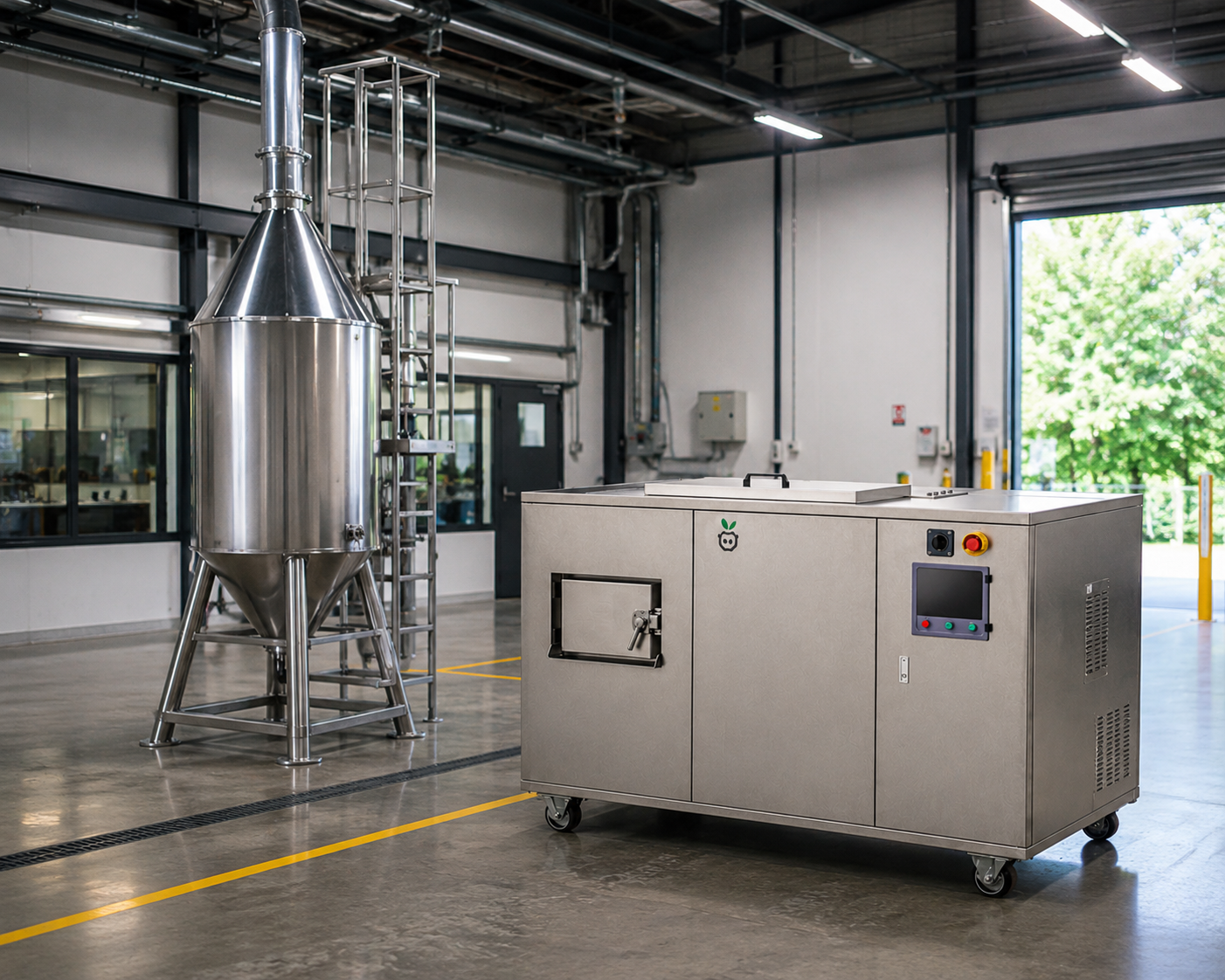
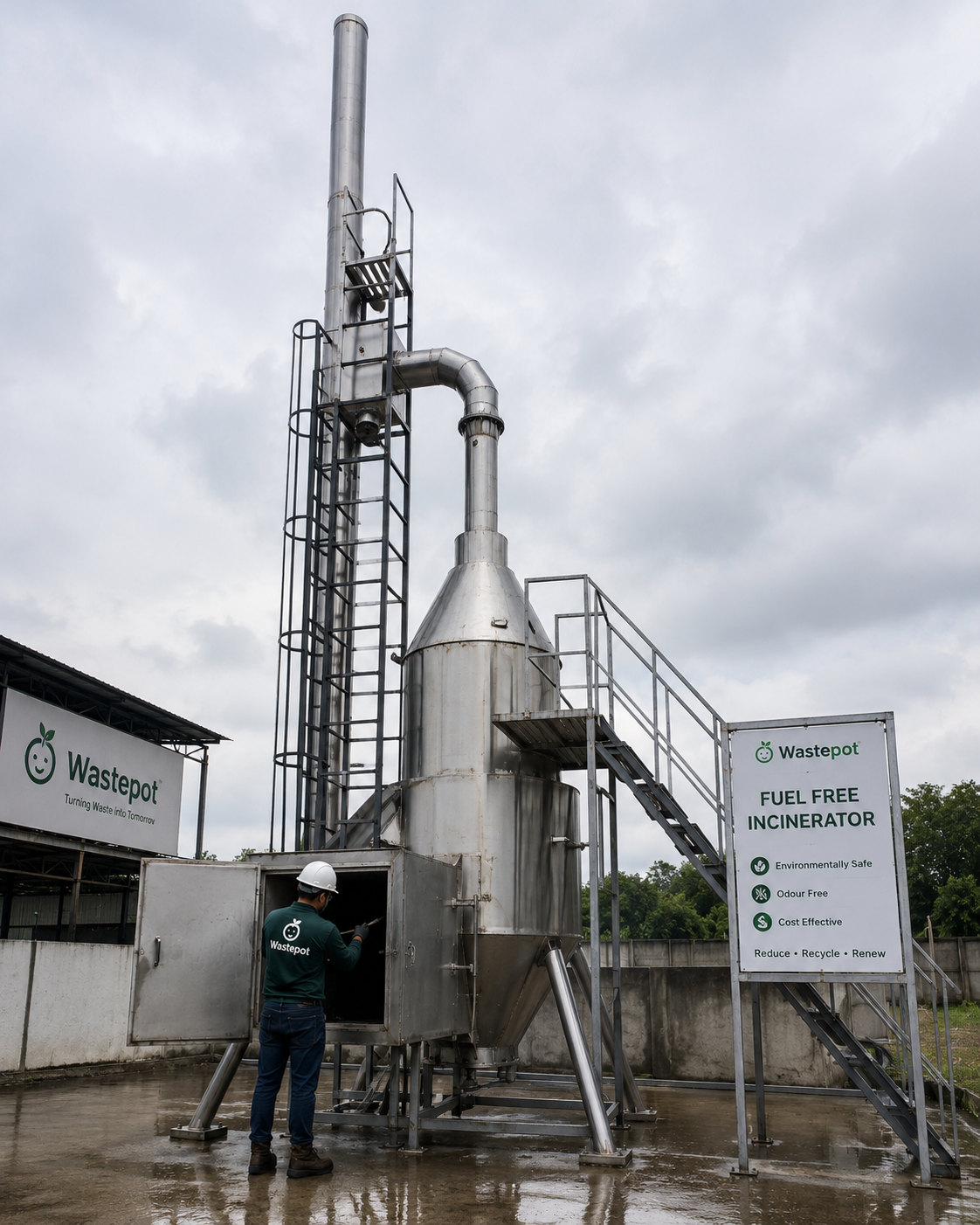
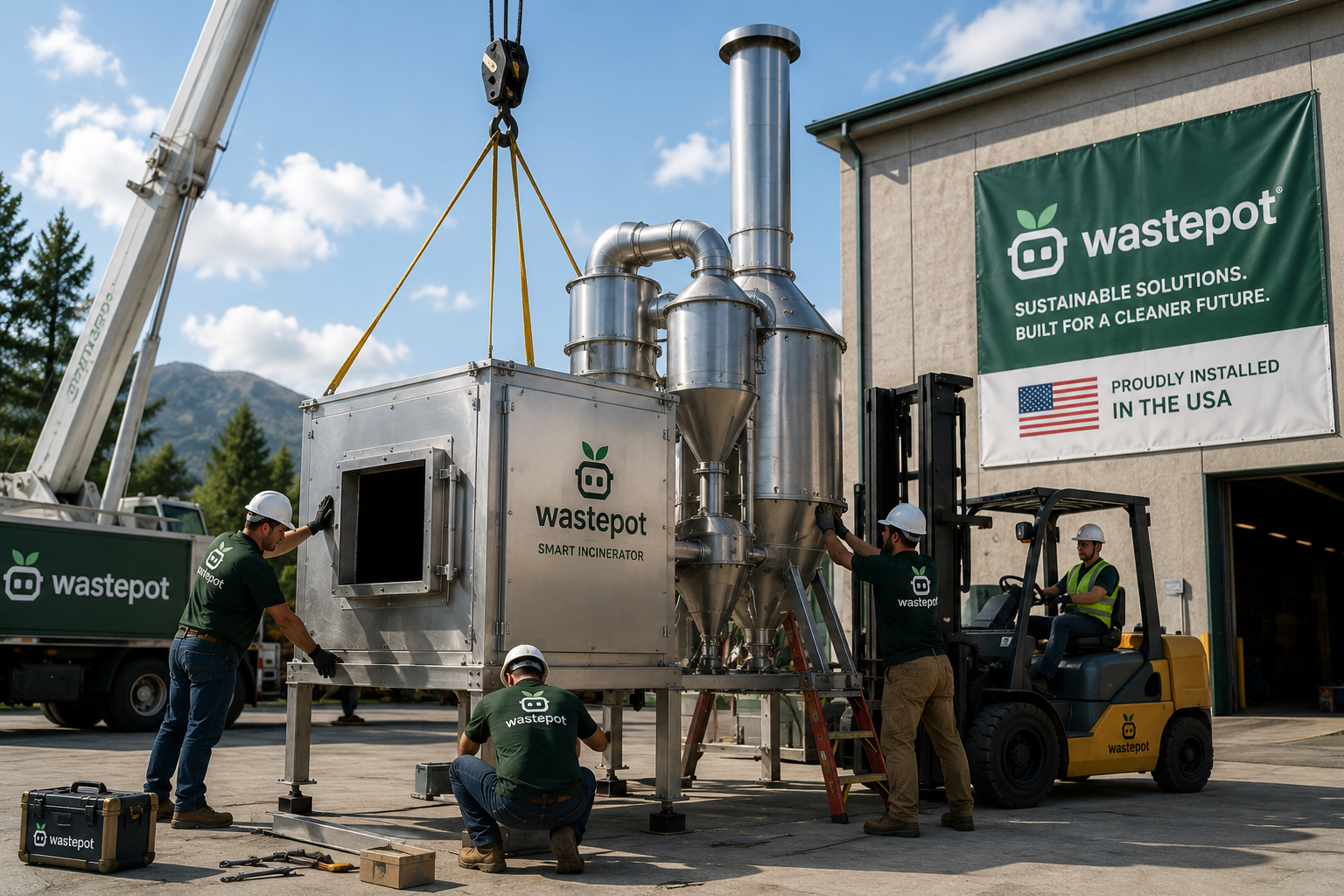
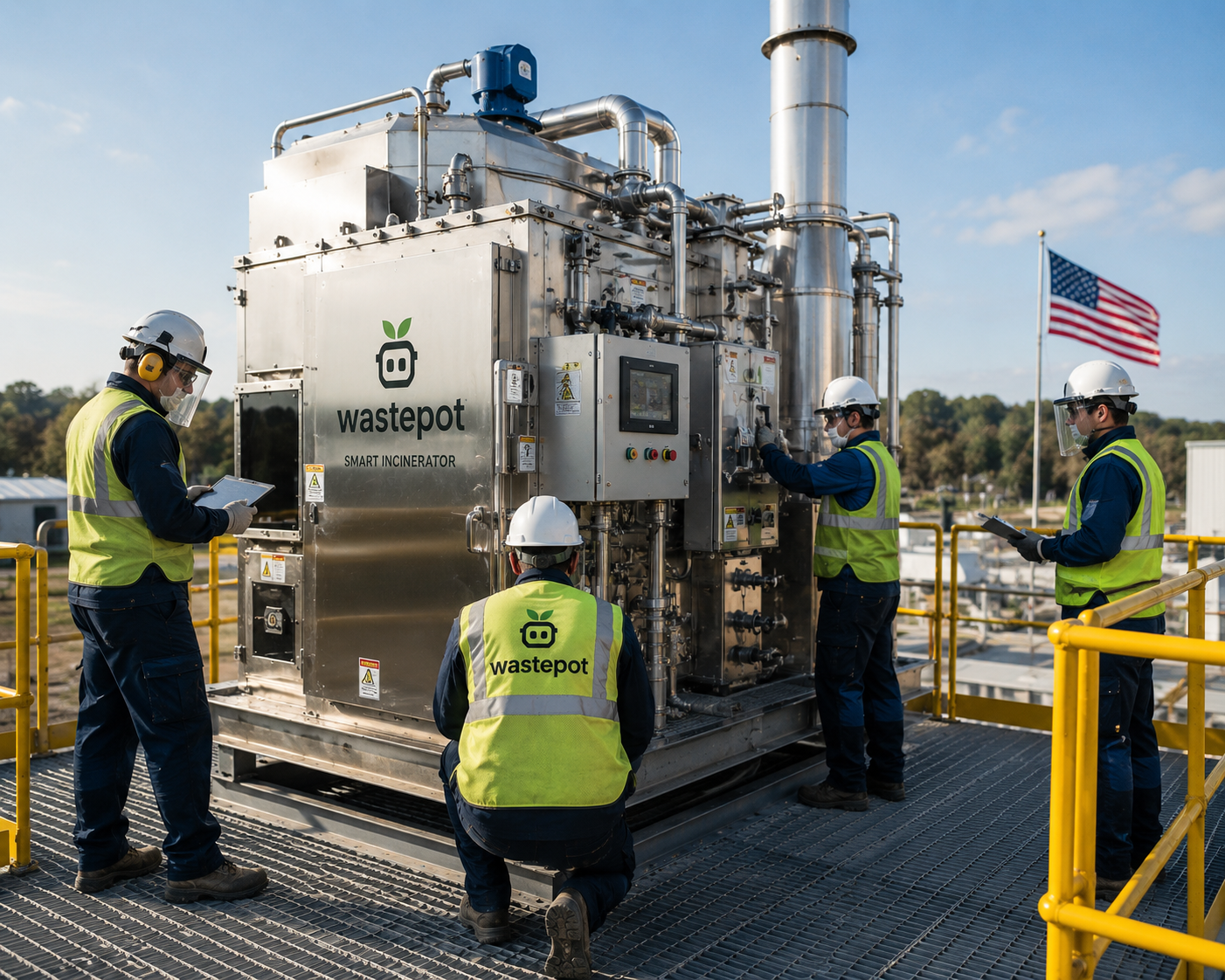
Wastepot’s fuel-free incinerator fits into this picture as a practical option for sites that need on-site thermal treatment for residual waste streams. In a broader waste strategy, that means organics and other recoverable materials can be directed to composting or recycling first, while the remaining combustible fraction can be treated in a controlled unit. For operators, the value is simplicity: less hauling, less storage pressure, and a more manageable residual stream. Used alongside Wastepot’s composting solutions, it supports a more complete waste system rather than a single-endpoint fix.
Fuel-free incineration matters because it gives certain facilities a compact, controlled way to reduce residual waste without continuous fuel use. Its value is strongest when the feedstock is suitable, the emissions controls are strong, and the system is used as part of a larger waste hierarchy that prioritizes reduction, reuse, recycling, and composting first. In that role, it can be a practical tool for the right sites and a useful complement to compost-based organics management.